

Dry Bag Sizes Explained: What Actually Fits in 15L, 20L, 30L and 60L
Dry bag capacity sounds like a precise number until you try to pack one. OverBoard capacities are the sealed figures, so a 20 liter bag holds 20 liters once it is correctly closed. What catches people out is buying a size down from what they actually need, then struggling to make the three to four rolls the closure needs.
This guide covers what genuinely fits in each size, how to seal it correctly, and how to match capacity to the kind of paddling, cycling or camping you actually do. Everything mentioned is in the OverBoard waterproof dry bag range.
How Dry Bag Capacity Is Measured
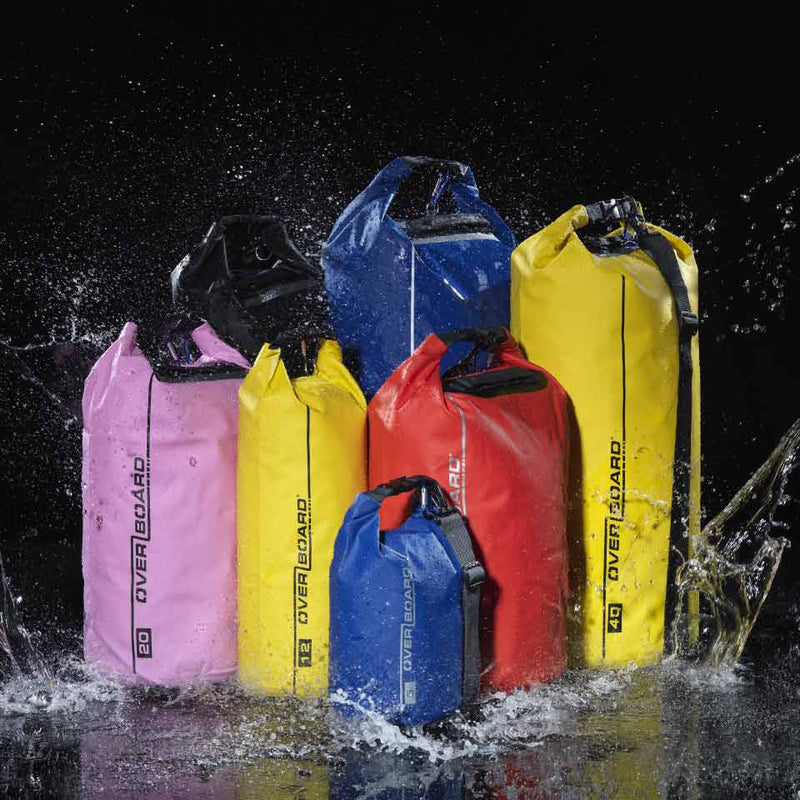
The liter figure on an OverBoard dry bag is its sealed capacity. A 20 liter bag holds 20 liters with the closure rolled and clipped, so the number on the label is the number you can pack to.
Sealing is straightforward: roll the neck tightly over the plastic fastener three to four times, purging some air if required, then secure the clips. What matters is not overfilling the bag to the point where you cannot make those rolls.
Avoid forcing more than the stated capacity into the bag, as you still need to make three to four firm rolls and secure the clips correctly.
The dry bags in this guide carry an IP66 rating, which means they float and can handle quick submersion when the closure is properly secured.
Under 15 Liters: Personal Items You Want Within Reach
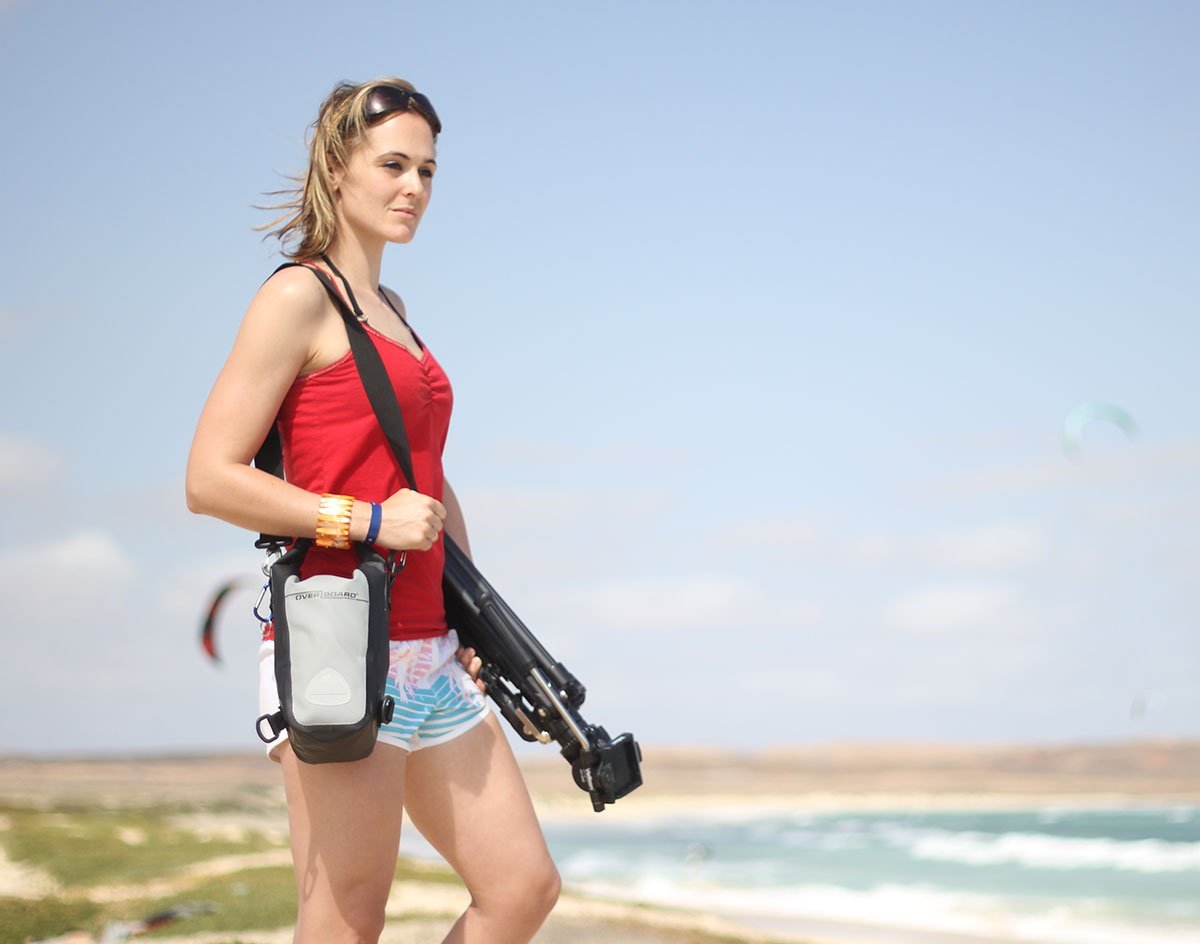
Below 15 liters you are packing for the things you need without unpacking anything else. These work best as a second bag rather than a main one.
What fits comfortably:
-
Phone, wallet, keys and a car fob
-
A packed windbreaker or a thin fleece
-
Snacks and a compact first aid kit
-
Sunscreen, sunglasses and a headlamp
The Pro-Light Waterproof Waist Pack holds 2 liters and stays on your body, which suits running and paddling where you do not want anything loose. For camera gear, the 4 liter Waterproof SLR Camera Bag is a better answer than a general dry bag, because the padding matters as much as the seal.
15 Liters: A Day Bag That Packs Down to Nothing
Fifteen liters covers a day out for one person without taking up much room in a hull or a trunk.
What fits comfortably:
-
A change of clothes and a mid-layer
-
A packed rain shell
-
Lunch, snacks and a water bottle
-
A towel and a pair of sandals
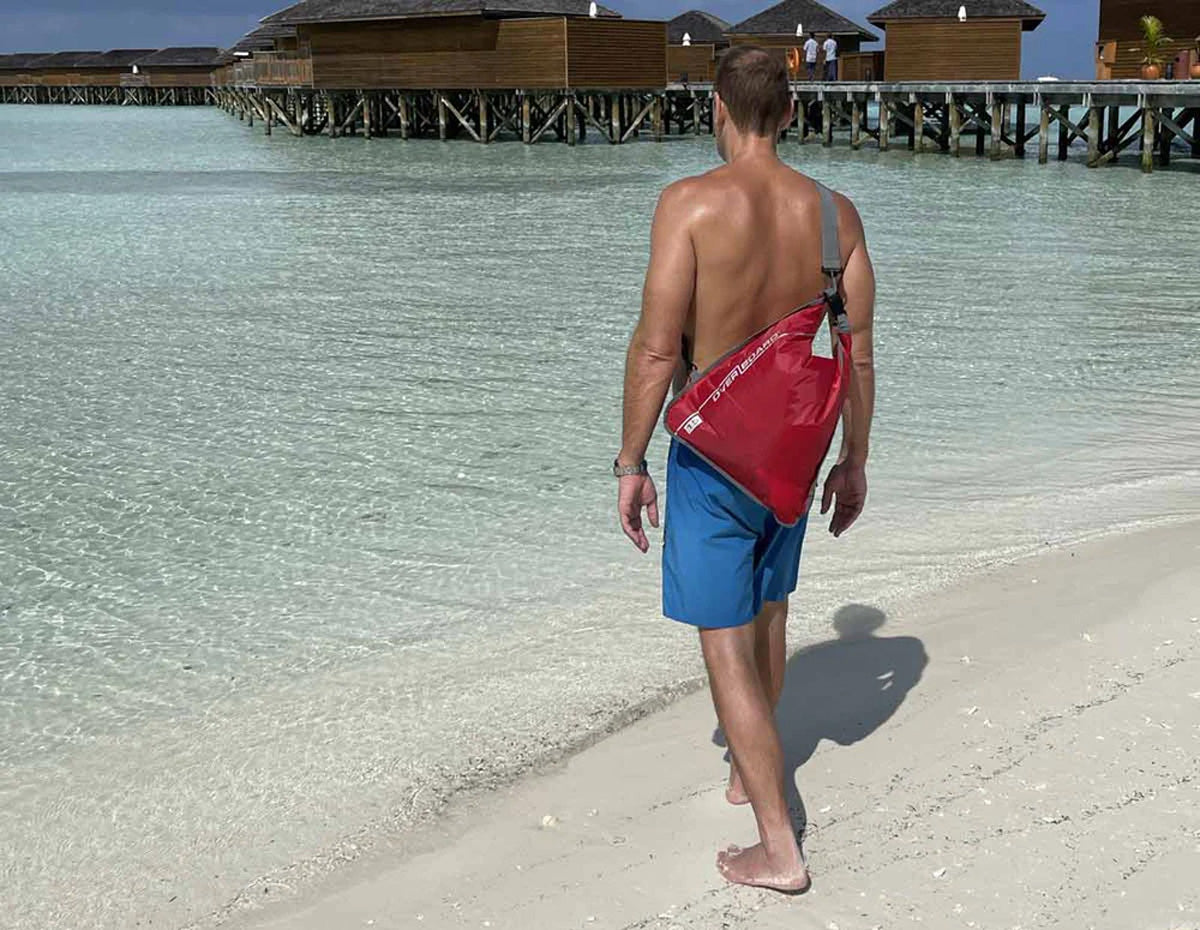
The 15 Liter Dry Flat Bag is the one most people start with. It is made from nylon ripstop with a TPU coating, so it folds down to almost nothing when empty. That matters more than it sounds: a dry bag you can stuff in a pocket on the way home is a dry bag you will actually bring next time.
If you are carrying camera gear instead, the 15 liter Pro-Sports SLR Camera Bag holds the same volume with padded dividers.
20 Liters: A Full Day on the Water
Twenty liters is the size most paddlers settle on. It holds about as much as a standard school backpack once sealed, and it fits a kayak deck without getting in the way of your stroke.

What fits comfortably:
-
A complete change of clothes, including a mid-layer
-
A packed rain shell and a towel
-
Lunch for two, or lunch and a thermos
-
A compact camera, a phone and a handheld radio
The 20 Liter Kayak / SUP Deck Bag is built for this specifically. It is tapered to follow the shape of a deck rather than rolling around on it, made from 600D PVC tarpaulin, and has six side buckle connectors so it stays put. There is also a front zip pocket for the things you want without opening the main compartment.
30 Liters: Overnight, or Two People for a Day
Thirty liters is where a dry bag stops being a day bag and starts being luggage.

What fits comfortably:
-
A compressed sleeping bag, or a sleeping bag and a change of clothes
-
Cooking kit and food for one person overnight
-
A day's gear for two people sharing
-
A wetsuit plus a towel, with room left over
The trade-off is handling. A loaded 30 liter bag is awkward on a small kayak deck and harder to move around inside a canoe. Plenty of paddlers prefer two 15 liter bags over one 30, because the weight distributes better and you can keep wet things away from dry things.
The 30 Liter Dry Flat Bag is the standard option at this size. If you are packing food and drink rather than clothing, the 30 Liter Soft Cooler Bag holds the same volume and keeps contents cold for 24 hours or more.
60 Liters: Multi-Day Trips and Group Gear
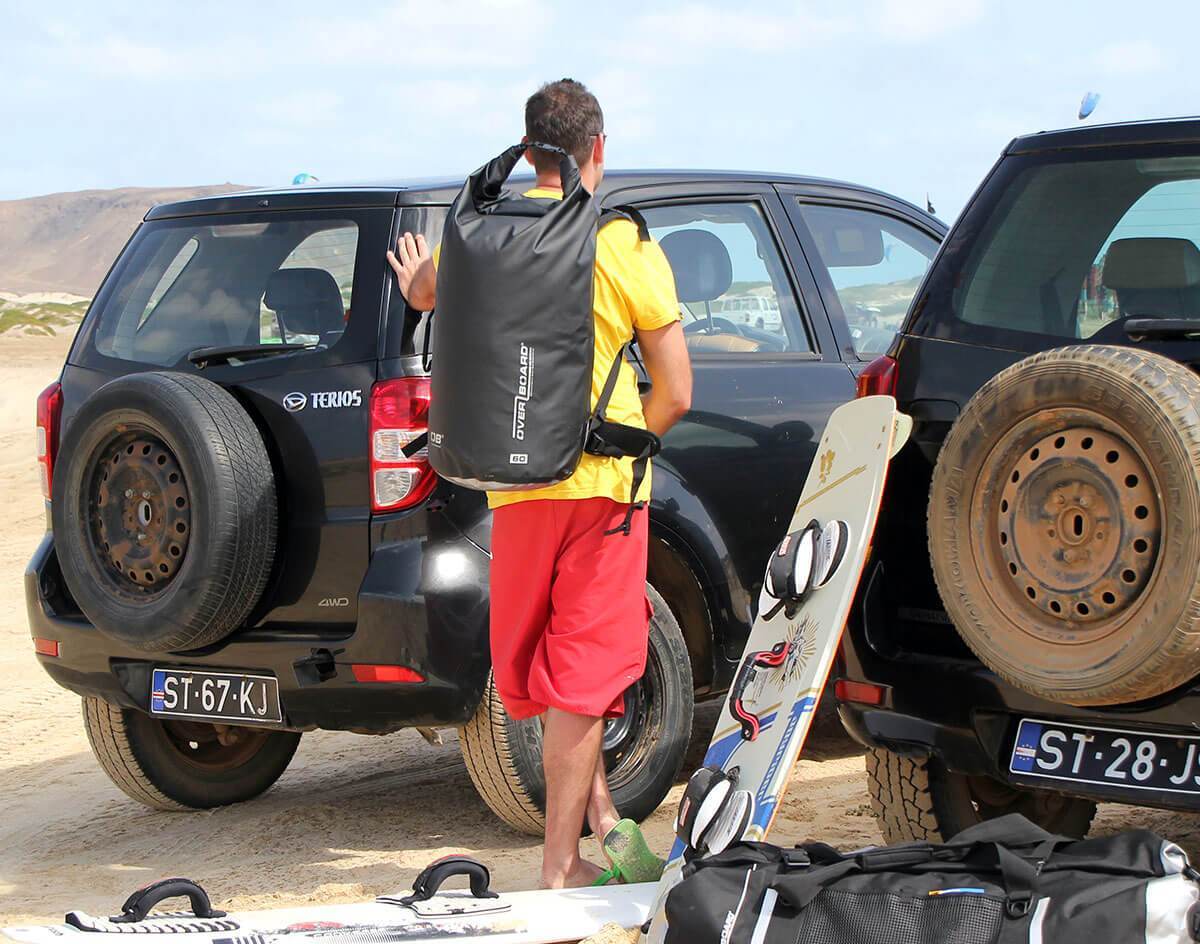
At 60 liters you are packing for several days, or carrying gear for more than one person.
What fits comfortably:
-
Sleeping bag, sleeping mat and a one-person tent
-
Three or four days of clothing
-
Full cooking setup with fuel
-
Bulky wet gear such as wetsuits, drysuits and wet towels
The 60 Liter Backpack Dry Tube adds shoulder straps, which matters more than the volume when you have to carry it from the parking lot to the put-in.
A lot of people buy a bag this size specifically for wet gear. Sealing a soaking wetsuit inside one keeps the back of the car dry and stops everything else in the trunk smelling of the ocean.
Quick Reference
A quick guide to which size suits which kind of trip.
|
Size |
Best described as |
Typical use |
|
2–4 L |
Personal items |
Phone, keys, a layer, or a camera body |
|
15 L |
Day bag |
One person, one day, packs down small |
|
20 L |
Deck bag |
A full day on the water, deck mounted |
|
30 L |
Overnight bag |
A night out, or two people for a day |
|
60 L |
Haul bag |
Multi-day trips and group gear |
Shape Changes What Fits
Capacity tells you volume. Shape tells you whether it will work where you need it.
Dry flat bags pack flatter and fold to almost nothing when empty, which suits a sit-on-top kayak, a trunk, or anyone who needs the bag to disappear between trips. See the dry flat range.
Deck bags are tapered to sit on top of a boat and stay open to you while you paddle, rather than being stowed where you cannot reach them. The kayak and SUP bag range covers these.
Panniers mount to a bike rack instead. The 17 liter Classic Waterproof Bike Pannier sits between the 15 and 20 liter bags on capacity and is the right shape for commuting.
Matching Size to Activity
Kayaking and Canoeing
Two 15 liter bags beat one 30 for most day trips. Splitting the load lets you trim the boat properly and keeps the bag you need most within arm's reach. A 20 liter deck bag on top handles everything you want while paddling.
Stand-Up Paddleboarding
Deck space is limited and anything tall catches the wind. A 15 or 20 liter bag lashed flat under the bungees is the practical ceiling. The paddle sports collection covers what works at this size.
Boating and Sailing
Space is less of a constraint, so 30 and 60 liter bags make sense. Many sailors keep a small bag for a phone and a handheld radio, and a large one for foul weather gear. The boating range is built around that split.
Camping and Backpacking
Use smaller dry bags inside a pack rather than one large one. A 2 liter for electronics and a 15 liter for the sleeping bag keeps things organized without committing your whole load to a single seal. See the camping collection.
Cycling and Commuting
A 17 liter pannier holds a day's work kit and a change of clothes and keeps the weight off your back. The pannier range mounts to a standard rear rack.
Two Mistakes Worth Avoiding
Buying exactly the capacity you calculated. While OverBoard's stated capacities are measured with the bag correctly sealed, allowing a little extra room can make packing and closing the bag easier, particularly with bulky or irregular-shaped gear.
Buying one large bag instead of several small ones. Several smaller bags are easier to organize, spread the load more evenly through a hull or a pack, and let you find what you need without unpacking everything on the water.
A Note on Waterproof Ratings
Capacity is only half the decision. The dry bags in this guide are rated IP66, which means they float and can handle quick submersion. They will keep gear dry if the bag goes over the side or sits in heavy rain, but they are not built for staying underwater. For prolonged submersion, a sealed case is the right tool. The waterproof rating system page explains what each class covers.
One detail worth knowing. On bags with an external zip pocket, that pocket is rated IP65, which is foul weather and spray proof rather than submersible. The main roll-top compartment is the IP66 part. Keep your phone and anything else water-sensitive in the main compartment, not the outer pocket.
All of the dry bags use the Fold Seal System™ with high-frequency welded seams, and all of them float if dropped. Every bag is eligible for the 5-year extended warranty.
Choosing Yours
If you are buying your first dry bag, get a 15 liter. It covers a day on the water for one person, packs down small enough that you will keep bringing it, and you will still use it after you buy others. Add a deck bag when you want something reachable while paddling, and move up to 30 or 60 liters when you start staying out overnight.
You can compare the full range at OverBoard, including dry flat bags, kayak and SUP bags and waterproof backpacks if you would rather carry the load on your shoulders.